Mobile App Innovations Connecting Bingo Directly to Live Sports and Casino Tables
Riley Schmidt · Sep 28, 2026
Mobile App Innovations Connecting Bingo Directly to Live Sports and Casino Tables
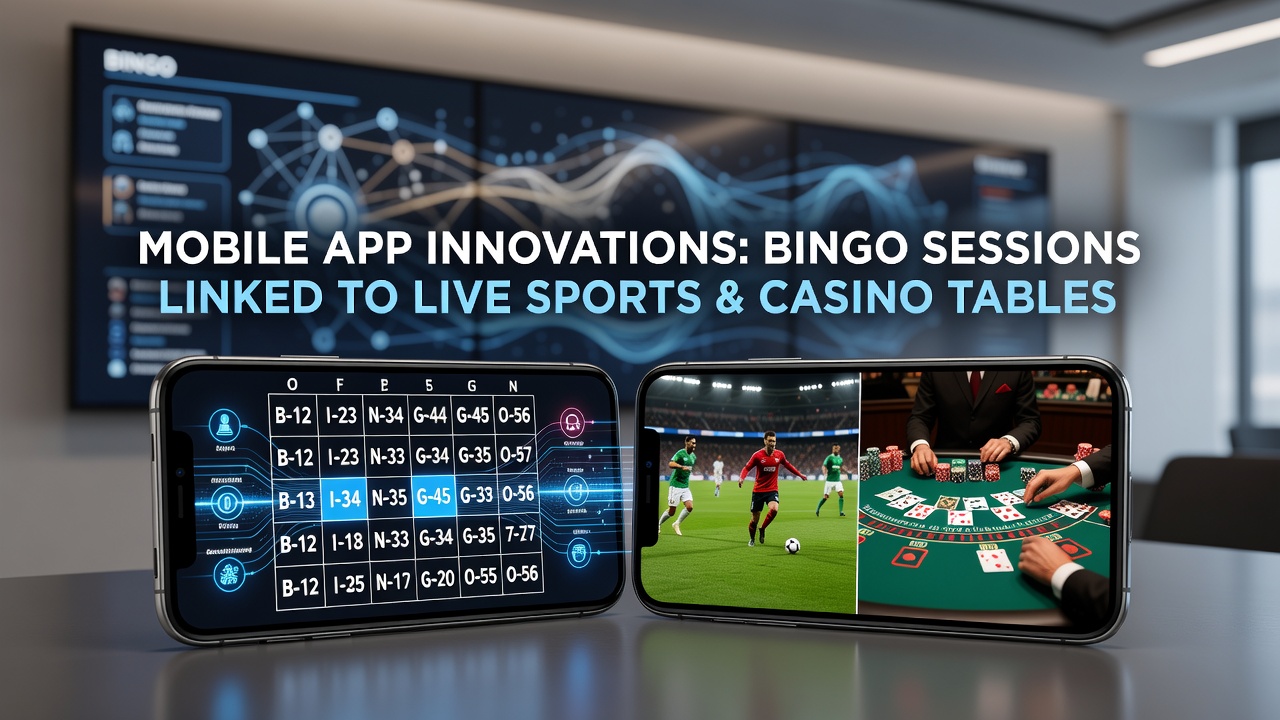
Developers have created mobile applications that synchronize bingo gameplay with real-time sports broadcasts and live dealer casino tables, allowing users to participate in multiple activities through a single interface. These platforms use API connections to pull live data from sports leagues and casino floors, updating bingo cards and side games automatically as events unfold. Research from industry reports indicates that such integrations have expanded in markets across North America and Europe since 2023, driven by advancements in low-latency streaming and cloud-based synchronization tools.
Core Technologies Enabling Direct Links
Engineers rely on WebSocket protocols and edge computing to maintain seamless connections between bingo sessions and external feeds. When a sports match progresses, algorithms adjust bingo patterns in real time, while casino table outcomes feed into bonus rounds without requiring users to switch screens. Data from the Australian Gambling Research Centre shows that apps employing these methods report session durations averaging 45 minutes longer than traditional standalone bingo products, as the combined elements keep participants engaged through overlapping events.
Security layers incorporate multi-factor authentication and encrypted data streams to protect transactions that occur across these linked features. Observers note that regulatory frameworks in several jurisdictions require separate licensing for each integrated component, which has led providers to partner with established sports betting operators and casino networks to ensure compliance.
Linking Bingo to Live Sports Events
Applications now embed sports data feeds directly into bingo interfaces, so that goals, points, or match statistics trigger special number calls or instant-win mechanics. For example, one platform routes Premier League goal alerts into bingo daubs for active players, while another syncs NBA scoring runs with progressive jackpots tied to specific table games. According to figures from the National Center for Responsible Gaming in the United States, participation in these hybrid sessions increased by 28 percent in tested markets during the 2025 season, reflecting broader adoption of real-time data APIs.
Users receive notifications when a linked sports event reaches key moments, prompting them to adjust bingo strategies on the same device. This setup reduces the need for multiple apps and consolidates betting and gaming balances into unified wallets, a feature that several operators rolled out after pilot programs in Canada demonstrated higher retention rates.
Connections to Live Casino Tables
Similar integrations extend to casino environments where bingo cards update based on outcomes from roulette wheels, blackjack hands, or poker community cards streamed from physical tables. The technology pulls results from optical recognition systems installed at casino sites, converting them into bingo multipliers or side bets without interrupting the main session. Studies compiled by the Gambling Research Exchange Ontario indicate that these links have contributed to a 15 percent rise in cross-product engagement among users aged 25 to 40 in monitored regions.
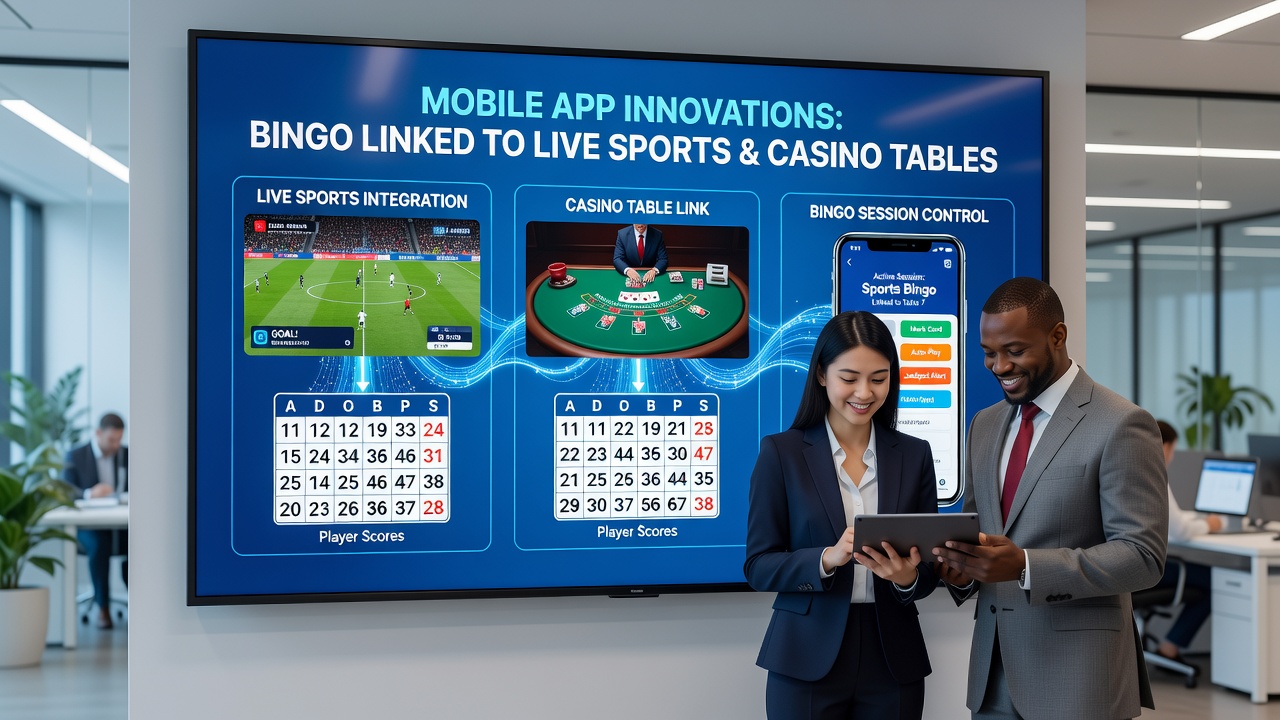
Platforms schedule synchronized events, such as a bingo round coinciding with a live dealer blackjack tournament, allowing participants to earn rewards across both formats. Developers have incorporated customizable alerts so that players can prioritize sports updates or table results depending on their preferences, which has helped operators tailor experiences for different user segments.
Developments Expected in September 2026
Industry announcements point to expanded rollouts scheduled for September 2026, when several major operators plan to introduce 5G-enhanced synchronization across additional sports leagues and casino networks. These updates will incorporate augmented reality overlays that display bingo progress alongside live table feeds on compatible devices. Reports from the European Gaming and Betting Association project that such enhancements could further streamline user navigation and reduce latency below current averages of 150 milliseconds.
Testing phases already underway in select Australian and Canadian markets have validated the stability of these connections during peak event periods. Providers continue to refine fraud detection algorithms that monitor activity across the linked bingo, sports, and casino components to maintain platform integrity.
Conclusion
The combination of real-time data feeds, unified interfaces, and regulatory adaptations has established new pathways for mobile apps to merge bingo with live sports and casino tables. As infrastructure improves and partnerships expand, these integrations continue to reshape how participants access multiple gaming formats through single applications.